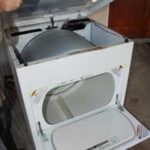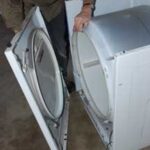
Clothes dryers are simple appliances that heat air and then blow it into a circulating drum.

All clothes dryers perform the same function the same way: They blow hot air over tumbling clothes. Both gas and electric dryers heat air that is then blown into a rotating drum.

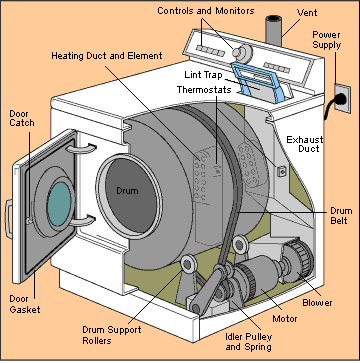
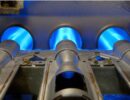
Gas dryers have a gas burner that does the heating; electric dryers have electric heating elements. Both types utilize electricity for the controls and the motor that turns the drum. A large belt encircles the drum and rolls through a pulley on the electric motor.
Gas dryers are combustion appliances. When they burn gas, they give off deadly carbon monoxide gas that must be vented to the outdoors. Though electric dryers don’t create combustion gasses, they also should be vented outdoors because they produce lint and considerable moisture. Lint can be a serious fire hazard. So all dryers should be connected to a noncombustible metal vent duct that routes from the dryer to an exterior wall. This vent must be clear of lint buildup, otherwise the dryer won’t heat properly.
If there is a spot in the laundry area equipped with a gas line and an appropriate vent that exhausts to the outdoors, a gas dryer is usually favored over an electric one because gas is less expensive in most regions. If there is no gas line but there is a 240-volt outlet, you may want to opt for an electric dryer.